
Fuel Sloshing
Fuel Sloshing is a major contributor to Big Rig accidents.
The design of tankers plays a major role in their safety. Partially filled tanks can create a sloshing effect, where the liquid moves around inside the trailer’s gas tank. This movement can destabilize the Big Rig making it more prone to swaying and flipping over and potentially causing massive accidents especially during turns or suddenly stopping.
Vehicle Instability:
Sloshing fuel can act like a giant pendulum inside the tank, shifting the truck’s center of gravity. This can make the truck more difficult to handle, especially when turning or braking, potentially leading to trailers losing control and rolling over.

Fuel Pump Issues
The constant movement of the fuel can cause problems with the fuel pump, leading to engine performance issues and potential breakdowns.

Increased Wear and Tear
The sloshing fuel can stress the fuel tank and the surrounding components, leading to increased wear and tear and potential leaks.in the fuel tank itself.
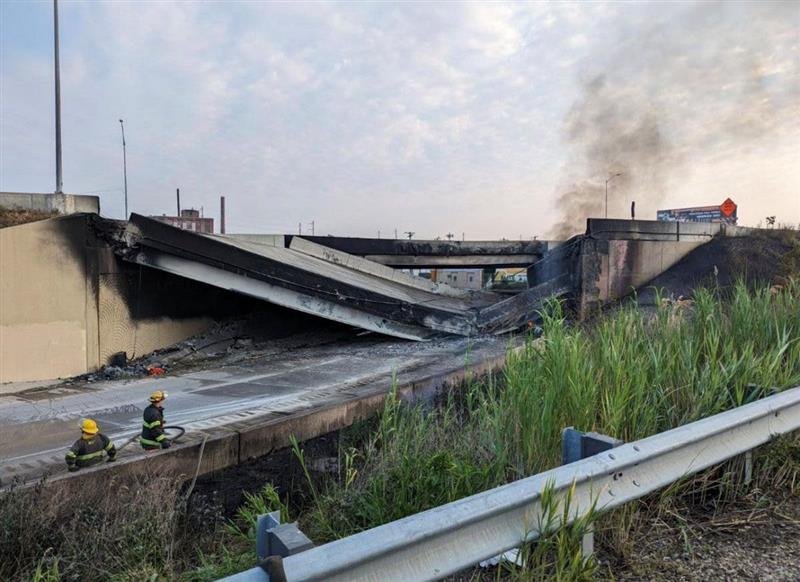
Severity
The severity of fuel sloshing problems depends on factors such as the amount of fuel in the tank, the driving conditions (speed, turns), and the design of the fuel tank itself.
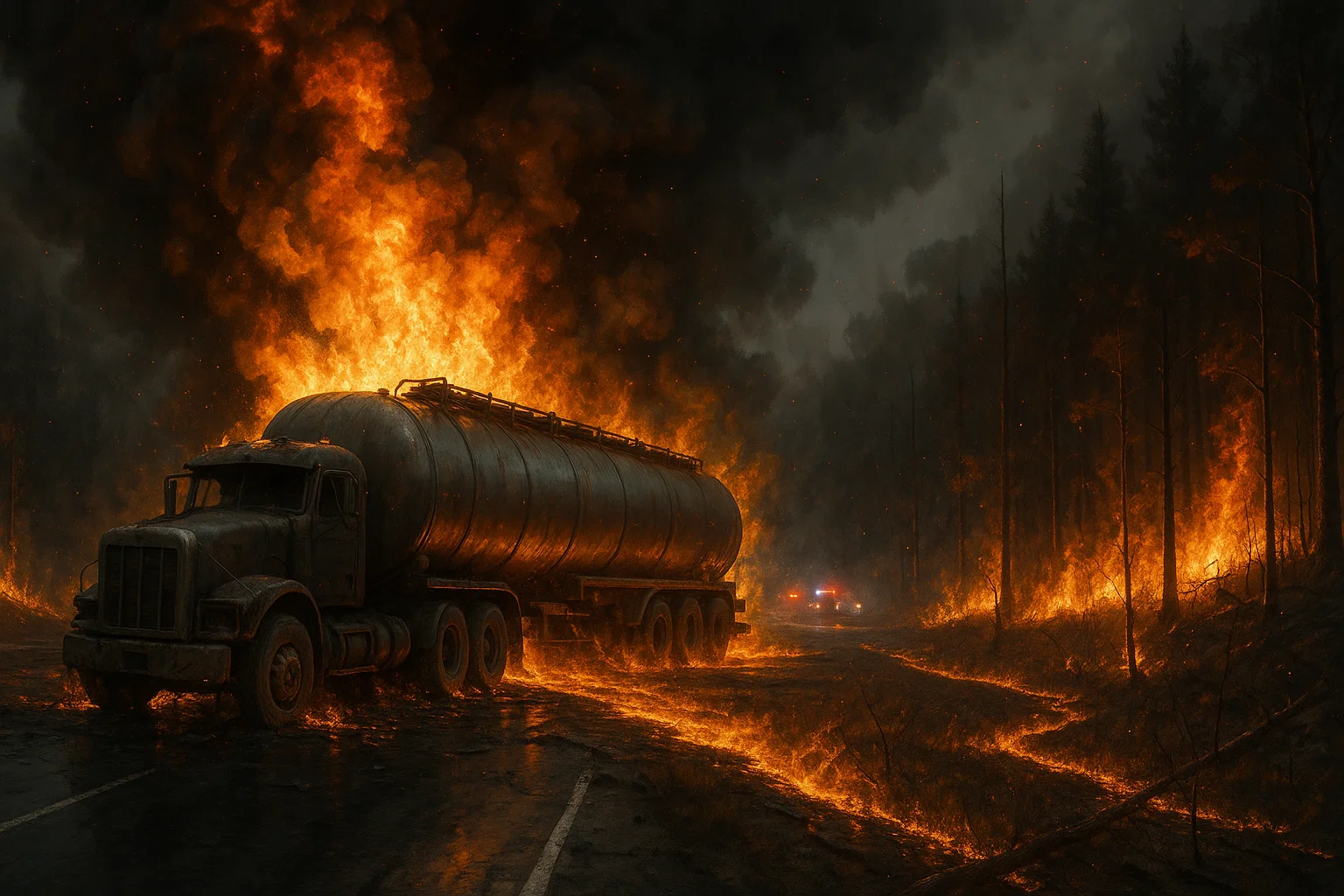
Mitigation Strategies
Several strategies exist to mitigate fuel sloshing, including using baffles (internal compartments) within the tank to limit fuel movement or using specially designed fuel tanks with reduced sloshing characteristics.

LifeSaver's Solution
LifeSaver has addressed this issue from the very begng self-sealing fuel tank bladders. LifeSaver can directly contribute to safer fuel transport by reducing the risk of leaks and fires caused by Fuel Sloshing.
Chances of Catastrophic Road Accidents
In normal conditions, a fully loaded Big Rig carriers (8,500) gallons of gas and weighs 58,565 pounds, 1 gallon of gasoline weighs 6.89 pound. A Big Rig tractor-trailer traveling 65 miles per hour could take 525 feet to stop. This is a dangerously long way to stop.
Sharing the road with a massive 18-wheeler can be nerve-wracking. These huge tractor-trailers carry a tremendous amount of cargo, often flammable liquids or hazardous materials. Due to its immense size and weight, a collision with a big rig can be catastrophic. Even a minor accident can result in serious injuries or fatalities for those in a smaller vehicle. Other dangers may also create a massive accident. Blind spots around large trucks can obscure smaller vehicles, leading to dangerous situations. Their sheer size makes maneuvering difficult and sudden stops can be a severe hazard to cars too close to the truck. Additionally, unsecured cargo can fall onto the roadway, creating a hazard for everyone. These dangers are real and pose a constant threat on our highways. Fortunately, technologies like LifeSaver’s self-sealing fuel tanks are working to mitigate these risks. Improving fuel tank safety can reduce the most significant hazard of fires and spills, making our roads safer for everyone. These aren’t just your average engineers. LifeSaver boasts a team of experts and motorsports veterans, each with over 30 years of experience pushing the boundaries of safety and performance.